The short answer
A heat pump gives a Vernon home cooling and heating from one electric system, and it suits the area's hot summers and mild winters. EverClime sizes the system to your house, installs it, and helps you confirm which rebates apply based on the utility that serves your address.
If you live in one of Vernon's homes and are weighing a heat pump, you probably want straight answers: will it keep the house cool in late summer, will it handle winter mornings, and what will installation involve? EverClime HVAC Contractor installs heat pump systems in Vernon (ZIP 90058), about 5 miles northeast of our Los Angeles base. One system handles both cooling and heating by moving heat instead of burning fuel. This page covers how we size and install heat pumps for homes in Vernon, what to know about rebates and local rules, and what to expect on installation day.
Why a Heat Pump Fits Vernon's Climate
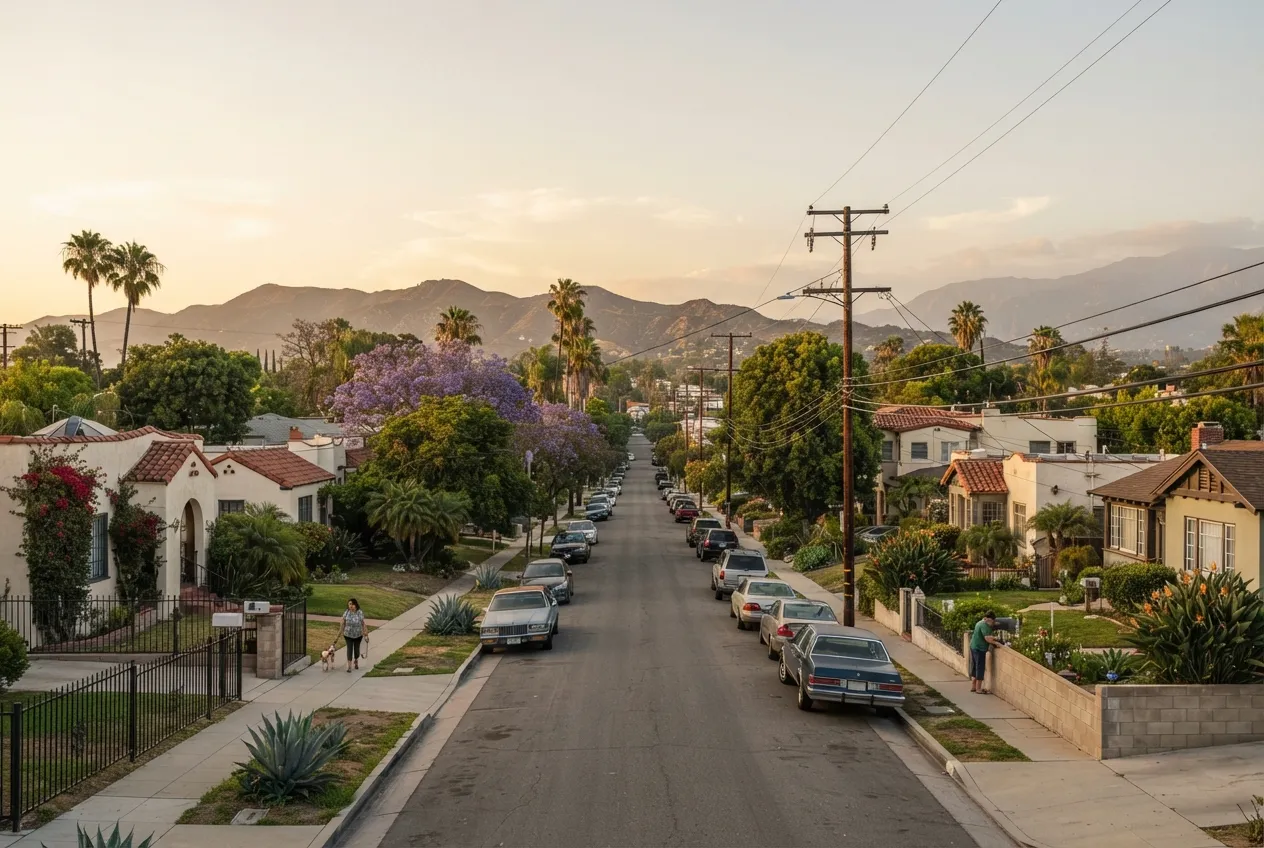
Los Angeles has a Mediterranean climate with dry summers and mild winters. Vernon sits inland from the coast, and inland neighborhoods run much hotter in summer than areas near the ocean. Fall Santa Ana winds can also bring hot, dry spells after summer seems to be over. That means cooling is the main job for most systems here, and a heat pump does that job the same way a central air conditioner does.
Winter is where a heat pump stands apart. Our cold snaps are short and mild, which is the range where heat pumps heat efficiently. Instead of running a gas furnace for a few chilly weeks a year, you can use the same outdoor unit in reverse to warm the house.
How We Plan a Heat Pump Installation
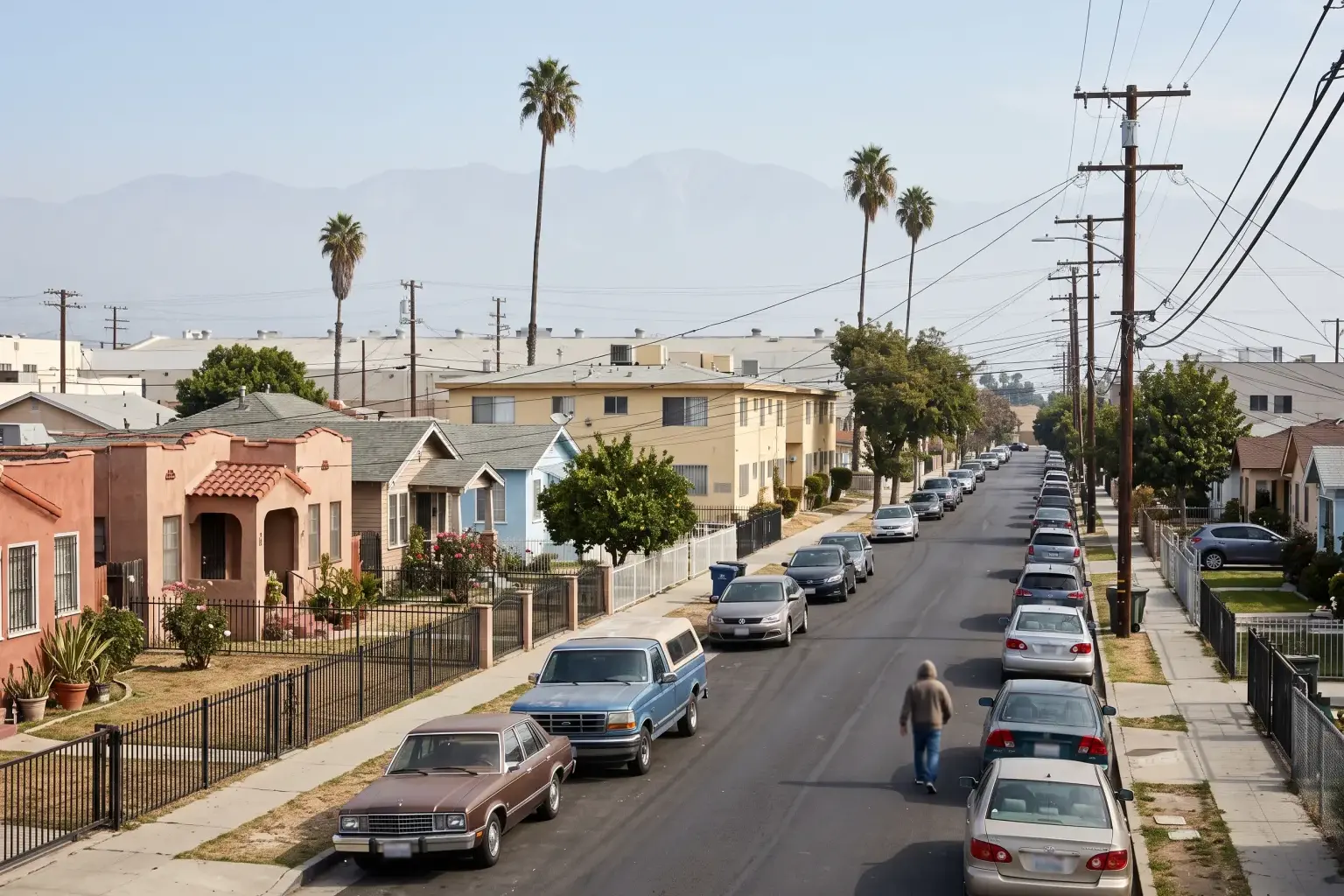
Many Vernon homes are older buildings, so we look at the house as it actually is rather than reading a capacity off the old unit's label. An oversized system cycles on and off too often. An undersized one runs all afternoon during a heat wave and still falls behind.
Before we recommend equipment, we check:
- Square footage, ceiling heights, window area, and which rooms get afternoon sun
- Insulation in the attic and walls, plus any air leaks around doors and windows
- The condition, sizing, and sealing of existing ductwork, or whether a ductless setup makes more sense
- Electrical panel capacity and whether the circuit needs an upgrade for the new equipment
- Where the outdoor unit can go with good airflow and reasonable distance from bedrooms and neighbors
Ducted and Ductless Options
If your home already has ducts in decent shape, a ducted heat pump can replace an existing air conditioner and furnace with one system. We test and seal ducts where needed, since leaky ductwork wastes a lot of what the equipment produces.
Homes without ducts, or with additions and converted rooms that never got even airflow, are often better served by ductless mini-split heat pumps. Each indoor head controls its own zone, so you can cool a hot upstairs bedroom without overcooling the rest of the house.
Rebates, Tax Credits, and Local Rules
Rebates depend on which utility serves your address. LADWP offers Consumer Rebate Program rebates to its residential electric customers for qualifying heat pump systems. The amount is based on the unit's SEER2 and HSPF2 ratings, and you apply after the equipment is purchased and installed, within 12 months of purchase. Many homes outside the City of Los Angeles are served by a different utility, so we confirm which one serves your Vernon address and check the current offer before we include it in a quote.
The federal Energy Efficient Home Improvement Credit (25C) only covered qualifying heat pumps placed in service before December 31, 2025. It is not available for new installations after that date.
If you are replacing a gas furnace, also note that South Coast AQMD Rule 1111 limits NOx emissions from natural-gas central furnaces sold and installed in this region. The district has been amending the rule toward zero-emission requirements, and it sets and revises the compliance dates. Check the current rule before deciding between a new furnace and a heat pump.
What Installation Day Looks Like
We protect floors and work areas, remove the old equipment, set the outdoor and indoor units, connect refrigerant lines and electrical, and handle condensate drainage. Before we leave, we test the system in both cooling and heating modes, check airflow at the registers, and show you how to use the thermostat. We also explain filter changes and the basic upkeep that keeps the system running well.